Most events chase sponsorship at the wrong end. The deck goes out eight weeks before race day, it opens with a photograph of last year's start line, and it asks a large company to associate itself with something the company cannot describe to its own board.
The sale is lost long before that meeting. It is lost in the months when nobody built anything worth buying. Event sponsorship marketing in India is largely the work of making an event saleable, and it happens well before anybody writes a proposal. The mechanics of the sale itself, the three desks you are selling to and the paperwork behind them, are set out separately in sponsor and CSR acquisition. What follows is what has to exist first.
1. Give the audience a description, not just a size
A large sponsor is not buying a crowd. They are buying access to a specific group of people, and the first question their marketing head asks is who those people are.
Most organisers can answer only with a number of entrants. That is the least interesting fact about your event. What a serious buyer wants is composition: which distance categories the field splits into, roughly what age bands turn up for each, how many arrive as families, how many come through corporate teams, which parts of the city they travel from, and what else they buy because of running.
This is not something a deck can invent in the final month. It is built by collecting the right fields at registration, with consent and a clear privacy statement, and by asking a small number of questions in the survey you send on race day evening. Two editions of that discipline turn a bare headline entry count into an audience a brand manager can present internally without embarrassment.
The rule that governs all of this: the figures belong to the organiser and must be the organiser's real ones. A sponsor's team verifies. An inflated number survives exactly one edition.
2. Design properties, not logo slots
The difference between an event that attracts a title sponsor and one that collects small cheques is usually inventory design.
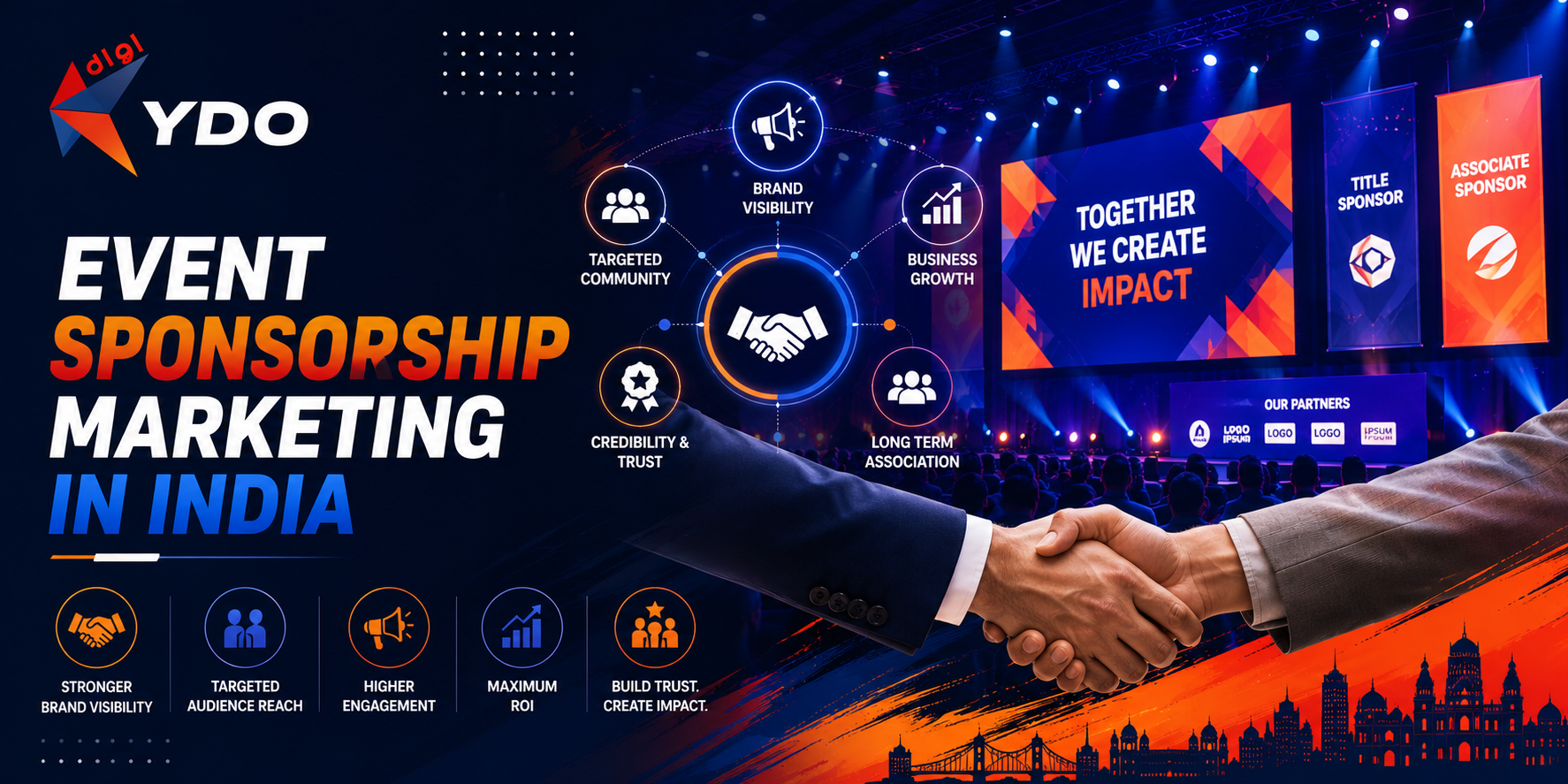
A logo slot is a commodity. Ten brands can have one, none of them feels ownership, and the price is set by whoever is most desperate. A property is a distinct, named thing that only one brand can hold: title rights to the event itself, or to a named distance category, or to the children's race, or to the finishers' zone, the hydration stations, the bib collection expo, the pace-setting group, the race-day photography.
Category exclusivity is the other half. A large sponsor pays substantially more to be the only brand of its kind present, and that is worth more to them than any amount of signage shared with a competitor. It costs you nothing except the discipline to refuse the second cheque from the same category.
Naming these properties is a branding exercise before it is a sales one. A property needs a name, a look and a consistent presence across the site, the creative and the on-ground build, which is why we settle the event identity before the sponsorship conversation rather than after it. Kiddathon is the clearest example of a property with a natural buyer: a children's run has a defined audience of parents, which suits a very different sponsor from the one that wants the half marathon.
3. Be findable and credible before anyone takes the meeting
Assume the sponsor's team searches your event before replying to your email. This happens every time and almost no organiser prepares for it.
What they find decides whether the meeting happens. An event whose website is a single page announcing this year's date, with no history, no photographs, no route, no results and no evidence that it happened before, is a risk. An event with a proper site, previous editions documented, results still online, coverage collected in one place and a clear description of what it is, reads as an organisation rather than a one-off.
This is a real argument for the event website doing more than selling entries. Between editions it is the credibility document, and it is the only asset working on your behalf while you are not looking. The same applies to search visibility in Kolkata for your event's name and for the category: a sponsor's agency researching running events in the region should find you without being told you exist.
4. Give the sponsor something their own team can use
The sponsorship that renews is the one the brand could do something with. The sponsorship that lapses is the one where a logo appeared on a banner and nothing else happened.
So build for activation. That means physical space they can occupy at the venue and a reason for participants to walk into it. It means content assets they can publish on their own channels: photographs, short video, a piece about why they support the event, participants using their product where that is genuine. It means digital inventory that is actually theirs, such as a section of the event site, a presence in the confirmation and reminder emails, and a place in the race-day information page that everybody reads in the final forty-eight hours.
It also means telling them what they may and may not do, early. A hospital or diagnostic partner running health checks at the finish line is a natural fit for a running event, and it is also a category with advertising restrictions that shape what the branding can claim. We build those campaigns with the same constraints that govern all healthcare marketing, which is a conversation worth having before the banner artwork is approved rather than after.
Cause-led events have a further dimension. Where the event raises for a purpose, as Ekal Run does, a corporate sponsor is frequently coming through a CSR route rather than a marketing one, and that buyer needs the activity described in terms their compliance team recognises. The two conversations are not interchangeable.
5. Exist for twelve months, not for six weeks
The reason sponsorship is hard in the final month is that the event was invisible for the eleven before it.
A sponsor's annual budget is allocated on their calendar, not yours. If your event only appears in public in the six weeks around the date, you are asking for a decision at a moment when the money is already committed. Events that attract large sponsors are usually the ones that maintain a presence between editions: results and photographs left online rather than taken down, a modest stream of social content through the year, the next date announced early, the training community around the event kept alive.
None of that is expensive. It is a habit rather than a campaign, and it changes what you are when the sponsor's planning cycle opens: an ongoing property with a date, rather than a proposal that arrived in an inbox.
Hindustan Club, running events for a closed membership, is the case where none of this applies in the same way, because the audience is known and the sponsorship question is different. Everything above is written for events selling access to people the sponsor cannot otherwise reach.
What is honestly on offer
We cannot promise you a title sponsor. Whether a brand signs depends on their category, their budget cycle, their existing commitments and a dozen things inside their organisation that neither of us sees.
What we can build is the thing that gets bought: an audience you can describe accurately, properties worth naming, a website and search presence that pass the check before the meeting, activation material a brand's own team can use, and a year-round presence so the ask lands inside the budget cycle rather than after it. The broader shape of the category sits on our marathon and event marketing page, and the full range of what we do as a digital marketing company in Kolkata on our front page.
If your date is set, start the conversation with what you sold last year and what the sponsor asked for that you could not supply.
Digi Kydo, 17R Dover Terrace, Ballygunge, Kolkata, West Bengal 700019. Call +91 98305 45687 or write to [email protected].
Frequently asked questions
When should an event start approaching sponsors?
Months before registration opens, because corporate sponsorship is paid from an annual budget that is allocated on the sponsor's calendar rather than yours. By the time an event is six weeks away, most brands have committed their spend for that period, which is why late approaches are answered with small amounts or with nothing. The practical rule is to know when your target sponsors plan their year and to arrive before that window closes.
What do sponsors want to know about an event's audience?
Composition rather than a headline number. How the field splits by distance category, the rough age bands in each, how many enter as families or as corporate teams, where participants travel from, and what else they buy because they run. These details let a brand manager judge fit and present the decision internally. The figures must be the organiser's genuine data, collected at registration with consent, because a sponsor's team verifies what it is given.
What is the difference between a sponsorship slot and a sponsorship property?
A slot is shared and generic, usually a logo on shared signage, and it is priced as a commodity. A property is a distinct named asset that only one brand can hold: title rights to the event or to a distance category, the children's race, the finishers' zone, the hydration stations, the photography. Properties carry category exclusivity, which means a brand pays for the absence of its competitors as much as for its own presence.
How is a CSR sponsorship different from a marketing sponsorship?
They are bought by different desks for different reasons. A marketing sponsor is buying audience access and brand association, and judges the decision on fit and visibility. A CSR desk is funding an activity that has to sit inside a permitted area, and needs the event described in those terms, with the documentation and reporting their compliance team requires. A cause-led run can often be sold to both, but not with the same document.
Can an event with a small field attract a large sponsor?
Sometimes, if the audience is specific enough. A small field of a clearly defined group can be worth more to the right brand than a large undifferentiated crowd, because access to that group is otherwise hard to buy. A children's run reaching parents, or an event drawing a particular professional community, are the usual examples. What defeats a small event is not its size but its inability to describe who turns up.